Compare Live Mortgage & Home Equity Rates
Compare current APRs, points, fees, and estimated monthly payments from participating lenders below.
Mortgage rates
Best Options for Low Credit Refi
Quick Answer: The best options for low credit refi include FHA loans (credit scores as low as 500 with 10% down), VA loans (no minimum credit score for eligible veterans), and portfolio loans from private lenders. These programs offer more flexible credit requirements, helping borrowers with poor credit refinance to lower rates or monthly payments.
Refinancing with low credit can feel overwhelming, but there are solutions available to help you navigate this financial challenge. Whether you're looking to lower your interest rate or reduce monthly payments, this guide covers practical steps, programs, and advice tailored specifically for borrowers with poor credit. By understanding your options and taking strategic steps, you can secure better loan terms and improve your financial stability through the best options for low credit refi.
Who Can Benefit from Low Credit Refi?
Low credit refinancing caters to individuals who struggle with credit scores below the typical qualifying range for conventional loans (usually under 620). You might benefit from refinancing if:
- Your current loan terms are causing financial strain.
- Interest rates have dropped, and you want better terms despite your credit score.
- You need to consolidate debt or unlock equity through a cash-out refinance.
Eligibility and Requirements
Before pursuing refinancing, it’s essential to understand the basic requirements lenders look for. While poor credit may limit your options, knowing these criteria can help you prepare effectively and boost your chances of approval.
Credit Score
Although conventional lenders typically require a credit score of 620 or above, some programs accept lower scores. Here are a few examples:
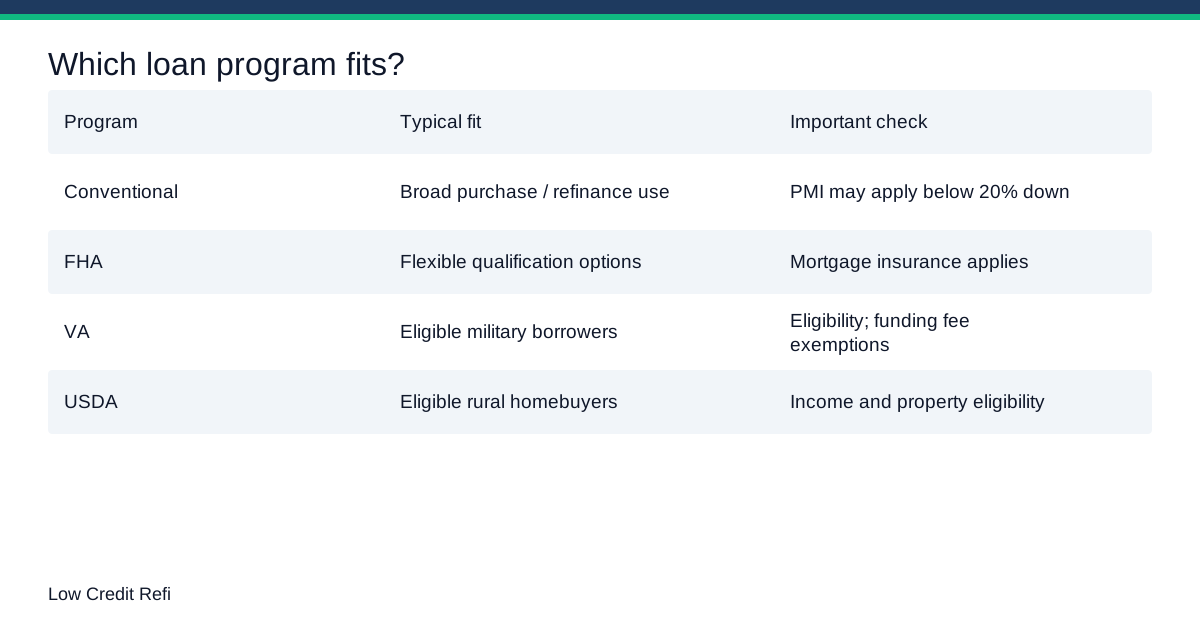
- FHA Loans: These are one of the most accessible options for low-credit borrowers. FHA loans often approve borrowers with scores as low as 500 (with a 10% down payment) or 580 with a smaller down payment requirement.
- VA Loans: For eligible veterans and active-duty military members, VA loans are an excellent option. These loans often have no minimum credit score requirement, focusing instead on other financial factors like payment history.
- Portfolio Loans: These are private loans that can be more lenient with credit scores, making them an option for those who struggle to qualify for traditional financing.
Debt-to-Income Ratio (DTI)
A healthy DTI ratio (preferably below 43%) is critical for approval. Lenders assess your ability to manage payments relative to your income. For example:
This is especially relevant for those interested in best best options for low credit refi.
- If your monthly debt payments are $1,500 and your monthly income is $4,000, your DTI ratio is 37.5%, which could qualify you for certain programs.
Stable Income
Proof of regular income assures lenders that you can handle the refinanced loan. Be ready to provide:
- Pay stubs or tax returns for verification.
- Additional proof of side income or freelance earnings.
Equity in Your Home
Having equity in your home often improves your chances of qualification. Some low-credit refi programs require this collateral. For example:
- If your home is worth $250,000 and you owe $150,000, you have $100,000 in equity, which lenders may consider a strong asset.
Best Programs for Low Credit Refinancing
Exploring the right refi options can save you time, money, and stress. Below are some of the best options for low credit refi, tailored for borrowers with less-than-perfect credit.
Dispute credit report errors with evidence
Review reports from all three credit bureaus and dispute inaccurate information with supporting documents. Accurate negative information cannot legally be removed simply because it is unfavorable; no score increase is guaranteed.
People looking into options credit will find this information valuable.
1. FHA Streamline Refinance
The FHA Streamline program is ideal for existing FHA loan holders. It offers lenient credit requirements and doesn’t require income verification or an appraisal in most cases.
Pros:
- No appraisal needed.
- Lower credit score threshold.
- Simplified application process.
- Limited to FHA borrowers.
- Requires closing costs upfront.
2. VA Interest Rate Reduction Refinance Loan (IRRRL)
For veterans and active military members, the VA IRRRL provides hassle-free refinancing without a minimum credit score requirement.
Pros:
- No credit checks.
- Reduced funding fees.
- Streamlined documentation.
- Only available to VA loan holders.
3. Portfolio Loans
Portfolio loans are managed by private lenders who don’t sell them on the secondary market. They tend to be more flexible for borrowers with poor credit.
Pros:
- Customized terms.
- Flexible qualifying standards.
- Often higher interest rates.
- Limited lender availability.
4. USDA Loan Refinancing
If you live in a qualifying rural area, USDA loans offer low-credit refinancing options with reduced interest rates and no down payment.
Pros:
- Low closing costs.
- Accessible qualifications for rural borrowers.
- Geography restrictions.
Common Obstacles and How to Overcome Them
Low credit refinancing comes with unique challenges. Here’s how to navigate them:
High Interest Rates
Poor credit often results in higher rates. To counteract this:
- Focus on improving your credit score by making timely payments.
- Shop around for the best deal rather than settling on the first offer.
Denial of Applications
If lenders deny your application, consider:
- Seeking loans from community banks or credit unions, as they often have more lenient criteria.
- Exploring non-conventional programs like portfolio loans.
Costly Fees
Refinancing often comes with closing costs. Negotiate fees with your lender or inquire about "no-closing-cost refinance" options.
Actionable Tip: Request a detailed breakdown of closing costs and look for ways to minimize or roll them into your refinanced loan, ensuring you keep your options open for the best options for low credit refi.
Step-by-Step Guide for Refinancing with Low Credit
Refinancing with low credit doesn’t have to be intimidating. Follow these steps to simplify the process:
- Assess Your Financial Situation
- Explore Program Options
- Gather Necessary Documents
- Shop Around for Lenders
- Submit Your Application
- Review and Close
Additional Tips for Success
- Improve Your Credit Before Applying: Small improvements can make a big difference. Pay down debt, dispute errors on your credit report, and avoid new credit inquiries.
- Work with Specialized Lenders: Some lenders specialize in bad credit refinancing; they may offer more personalized solutions and the best options for low credit refi.
- Consider a Co-Signer: If possible, add a co-signer with strong credit to boost approval chances.
Helpful Resources
For further assistance, consider these authoritative resources:
- FHA Loan Refinancing Guide for FHA loan options.
- DTI Ratio Calculator to understand your debt-to-income ratio.
- Credit Repair Tips for improving credit before refinancing.
Call-to-Action
Ready to explore the best options for low credit refi? Contact reputable lenders and ask about specialized programs to start your journey toward manageable loan terms. Get Started Today!
Disclaimer
The information provided in this article is for informational purposes only and does not constitute financial advice. Please consult a licensed financial advisor or mortgage professional before making decisions.
Frequently Asked Questions
What credit score do I need for a low credit refi?
Requirements vary by loan type. FHA loans accept scores as low as 500 with 10% down or 580 with less down. VA loans have no set minimum for eligible borrowers. Portfolio loans from private lenders may also consider lower scores. Improving your score can help you qualify for better terms.
Can I refinance with a credit score under 600?
Yes, options exist. FHA loans allow scores as low as 500, and VA loans have no minimum credit score requirement. Some portfolio lenders also work with borrowers below 600. However, expect higher interest rates or fees. Taking steps to improve your credit can increase your chances.
What is the debt-to-income ratio needed for low credit refinancing?
Lenders typically prefer a DTI ratio below 43%, though some programs may allow higher ratios. Your DTI is calculated by dividing monthly debt payments by gross monthly income. Lowering your DTI by paying down debts or increasing income can improve your approval odds.
Are there government programs for low credit refinancing?
Yes, FHA and VA loans are government-backed programs that offer flexible credit requirements. FHA loans are available to many borrowers, while VA loans are for eligible veterans and active-duty military. These programs can help you refinance even with low credit.
Key Takeaways
- Understanding your options for best options for low credit refi is the first step
- Explore related options like best options for
- Explore related options like low credit refi
- Getting pre-qualified helps you understand your real options