Compare Live Mortgage & Home Equity Rates
Compare current APRs, points, fees, and estimated monthly payments from participating lenders below.
Mortgage rates
What Is Low Credit Refinance?
Quick Answer: Low credit refi refers to refinancing a mortgage with a credit score below 620. Programs like FHA Streamline or conventional loans with lower credit requirements may help you secure better terms, such as a lower interest rate or reduced monthly payments. Eligibility depends on factors like credit score, debt-to-income ratio, and home equity.
If you have a low credit score, refinancing may seem out of reach, but there are programs designed to help. Low credit refinancing, often referred to as "faq: low credit refi," allows borrowers with less-than-perfect credit to replace their current mortgage with better terms, such as a lower interest rate or reduced monthly payments. This guide will answer common questions and provide actionable advice to help you move forward.
Refinancing can be a powerful tool to improve your financial situation, even if your credit score isn’t ideal. Whether you’re looking to reduce your monthly payments, pay off your loan sooner, or switch to a fixed-rate mortgage, understanding the options available to low-credit borrowers is essential, especially when considering the "faq: low credit refi."
Am I Eligible for a Low Credit Refi?
Minimum Requirements
Eligibility for low credit refinance, including the "faq: low credit refi," depends on the lender, loan type, and specific program requirements. While exact criteria vary, here are some common minimum requirements to keep in mind:
- Credit Score:
- Debt-to-Income Ratio (DTI):
- Equity:
- Income Verification:
Pro Tip: Before applying for a "faq: low credit refi," calculate your DTI ratio and check your credit report for errors. Correcting inaccuracies can boost your credit score and improve your eligibility.
[LINK: related-topic] For more information on calculating your DTI and understanding equity, visit our comprehensive guide.
This is especially relevant for those interested in affordable faq: low credit refi.
Exceptions
Some programs or lenders may offer exceptions for borrowers with unique circumstances. For instance, if you’ve recently recovered from a financial setback—such as a job loss or medical expenses—and can demonstrate improved financial habits, lenders may be willing to work with you. Additionally, offering a larger down payment or showing significant cash reserves can help offset a lower credit score.
What Are the Best Low Credit Refinance Programs?
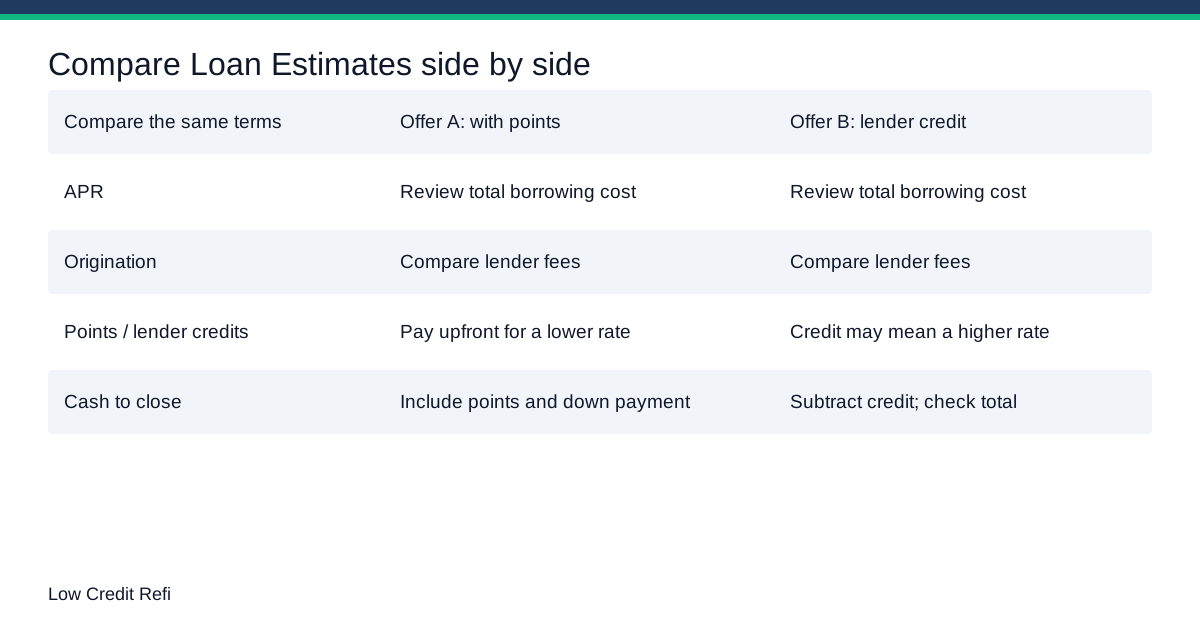
Several programs are specifically designed to help borrowers with low credit scores. Below is a detailed breakdown of the top options, along with their benefits and potential drawbacks, including insights into the "faq: low credit refi."
1. FHA Streamline Refinance
The FHA Streamline Refinance program is an excellent choice for borrowers with existing FHA loans. It offers a simplified process with fewer requirements.
Dispute credit report errors with evidence
Review reports from all three credit bureaus and dispute inaccurate information with supporting documents. Accurate negative information cannot legally be removed simply because it is unfavorable; no score increase is guaranteed.
Pros:
- No credit check required in most cases.
- Minimal documentation, making the process faster.
- Lower closing costs compared to other refinance options.
- Only available for current FHA loans.
- Requires ongoing mortgage insurance premiums (MIP), which can increase overall costs.
2. VA Interest Rate Reduction Refinance Loan (IRRRL)
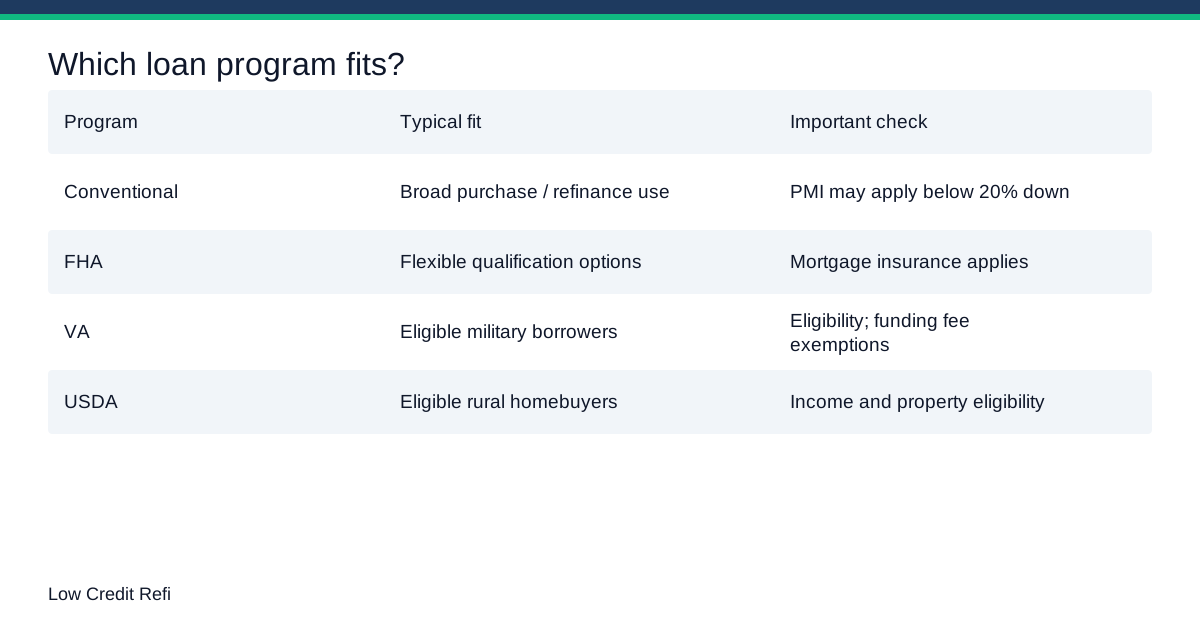
This program is designed for veterans and active-duty military members with existing VA loans. It’s an easy way to lower interest rates or switch to a fixed-rate loan.
Pros:
- No minimum credit score for eligible borrowers.
- No appraisal required, saving time and money.
- Lower closing costs compared to conventional loans.
- Only available for current VA loan holders.
- A funding fee applies, although it may be waived for certain borrowers.
3. Non-QM Loans (Non-Qualified Mortgage Loans)
Non-QM loans are ideal for borrowers who don’t meet traditional lending criteria. These loans offer flexible underwriting, making them accessible for those with credit challenges.
Pros:
- Flexible credit requirements, often accepting lower scores.
- Suitable for self-employed borrowers or those with inconsistent income streams.
- Higher interest rates and fees compared to conventional loans.
- Fewer lenders offer these loans, limiting your options.
Common Obstacles and How to Overcome Them
Refinancing with low credit can come with challenges, but most obstacles can be addressed with the right strategy. Here’s how to overcome some of the most common issues, especially when considering the "faq: low credit refi":
Credit Score is Too Low
- Solution:
- Action:
Insufficient Equity
- Solution:
- Action:
High DTI Ratios
- Solution:
- Action:
Step-By-Step: How to Get Started with a Low Credit Refi
Refinancing doesn’t have to be overwhelming. Follow these steps to get started with your "faq: low credit refi":
- Evaluate Your Financial Situation:
- Research Available Programs:
- Get Prequalified:
- Compare Offers:
- Gather Documentation:
- Submit Your Application:
[LINK: related-topic] Visit our detailed guide on refinancing applications for more tips and advice.
Conversion CTA
Feeling unsure about your options? Help is available! Many lenders specialize in working with borrowers with low credit scores, particularly those seeking a "faq: low credit refi." Explore your refinancing possibilities today and take the first step toward financial relief. Contact us now for personalized support and guidance.
Disclaimer
The information provided on this page is for educational purposes only and should not be considered financial or legal advice. Always consult a qualified financial advisor or mortgage professional for advice tailored to your unique situation.
Key Takeaways
- Understanding your options for faq: low credit refi is the first step
- Explore related options like faq: low credit
- Explore related options like low credit refi
- Getting pre-qualified helps you understand your real options