Compare Live Mortgage & Home Equity Rates
Compare current APRs, points, fees, and estimated monthly payments from participating lenders below.
Mortgage rates
Current Rates for Low Credit Refi
Quick Answer: Current rates for low credit refi typically range from 6.5% to 8.5% APR, depending on your credit score, loan type, and market conditions. Borrowers with scores under 600 may face higher rates, while those in the 620–640 range could qualify for lower rates, especially through government programs like FHA or VA loans. Comparing multiple offers is key to finding a competitive rate.
Refinancing with low credit can help improve your financial situation, but understanding the current rates for low credit refi is essential to make informed decisions. This guide offers a comprehensive overview of refinancing options, eligibility requirements, potential obstacles, and actionable tips to secure a solution that fits your needs, especially when considering the current rates for low credit refi.
What Are the Current Rates for Low Credit Refi?
Refinancing rates for individuals with poor credit often vary depending on the lender, loan type, and external factors such as market trends and the Federal Reserve's policies. Typically, low credit refi rates are higher than average market rates due to increased risk for lenders. As of [month/year], average rates for low credit refinance loans range between 6.5% to 8.5% APR, though this depends on credit score thresholds and loan products.
For example, borrowers with credit scores under 600 may face rates closer to the higher end of the spectrum, while those with scores in the 620–640 range may qualify for slightly lower rates, especially if backed by government programs such as FHA or VA loans. Always compare multiple offers to ensure you’re getting the most competitive rate for your credit profile and stay updated on the current rates for low credit refi.
Eligibility Requirements for Low Credit Refinancing
Refinancing with bad credit requires meeting a set of baseline eligibility criteria. While specific requirements vary by lender, below are the most common factors:
- Minimum Credit Score: Many lenders require a FICO score of at least 580 for certain loan types. Some FHA programs may accept scores as low as 500, making them an excellent option for borrowers with poor credit. Understanding the current rates for low credit refi can help you gauge your options better.
- Debt-to-Income (DTI) Ratio: Lenders typically prefer a DTI ratio of 50% or lower, though specialized programs may offer flexibility. Lower DTI ratios demonstrate stronger financial health and repayment ability.
- Loan-to-Value (LTV) Ratio: Most lenders require an LTV ratio of 80% or less, meaning you should have at least 20% equity in your home. Government-backed loans may allow higher LTV ratios in certain circumstances.
- Current Income: Verifiable income is critical to qualify. Lenders will assess your ability to repay the loan based on your monthly income, employment stability, and other sources of revenue.
Popular Refinancing Programs for Low Credit Borrowers
1. FHA Streamline Refinance
- Pros: FHA streamline refinancing is designed for borrowers with lower credit scores, with minimums starting at 500–580. This program also reduces documentation requirements, making the process faster and more accessible.
- Cons: Borrowers must pay higher upfront mortgage insurance premiums (MIP), which can increase overall loan costs.
2. VA Interest Rate Reduction Refinance Loan (IRRRL)
- Pros: Exclusively available to veterans and active-duty service members, this program doesn’t require a credit check or appraisal, making it ideal for borrowers with low credit.
- Cons: Only available to those who currently have a VA loan.
3. Non-QM Loans
- Pros: Non-QM (non-qualified mortgage) loans are tailored to borrowers with unique circumstances, such as self-employed individuals or those with irregular income. These loans often have flexible underwriting criteria.
- Cons: Interest rates are significantly higher compared to conventional loans, and lenders may require larger down payments.
4. Conventional Loans with Co-Signer
- Pros: Adding a co-signer with strong credit can help mitigate credit score requirements, allowing you to qualify for better terms.
- Cons: Co-signers take on financial responsibility for the loan, which poses potential risks if payments are missed.
Common Obstacles and Solutions
1. Higher Interest Rates
- Challenge: Borrowers with low credit often face higher interest rates that increase the overall cost of refinancing.
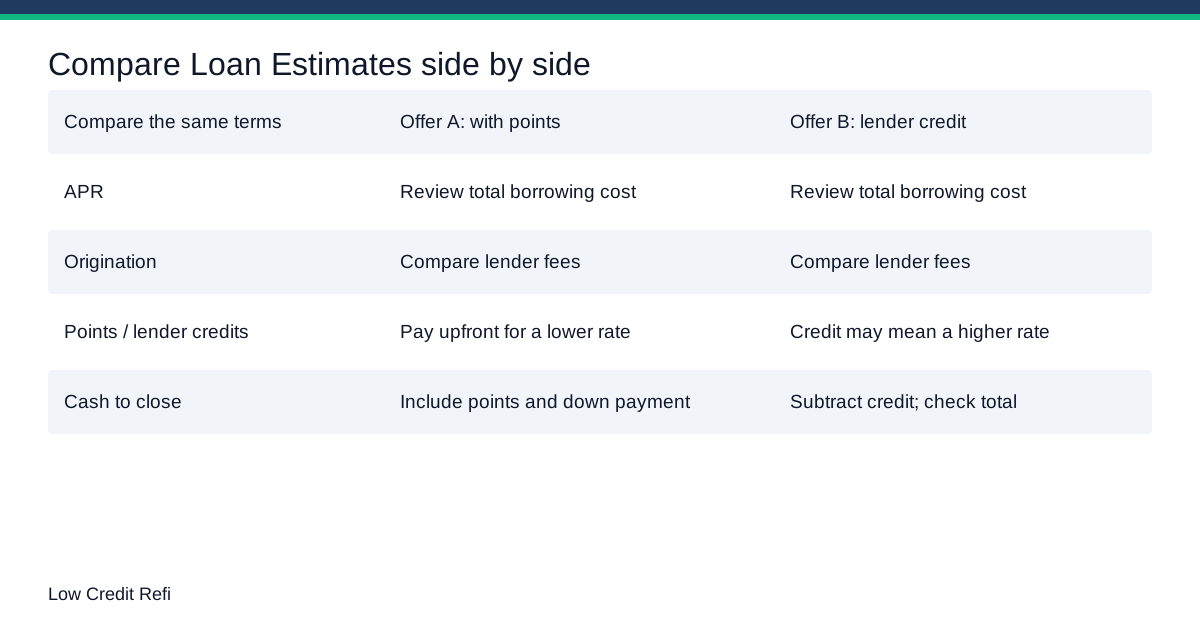
- Solution: Consider mortgage rate buy-downs, where you pay upfront points to lower your interest rate. Alternatively, explore government-backed loans like FHA, which tend to offer competitive rates, especially when looking at the current rates for low credit refi.
2. Difficulty Meeting DTI Thresholds
- Challenge: A high debt-to-income ratio can disqualify you from certain loans.
- Solution: Pay down existing debts to improve your DTI ratio. Some lenders may offer flexibility if you demonstrate consistent income and repayment ability.
3. Limited Equity
- Challenge: If you lack sufficient equity in your home, you may struggle to qualify for traditional refinancing options.
- Solution: Cash-out refinancing or adjustable-rate mortgages (ARM) can provide alternatives. ARMs often start with lower rates, making them suitable for short-term refinancing goals.
Step-by-Step Guide to Refinancing with Low Credit
Follow these actionable steps to navigate the refinancing process successfully:
This is especially relevant for those interested in guide to current rates for low credit refi.
- Review Your Credit Report: Obtain a copy of your credit report from major bureaus. Look for inaccuracies or errors that could negatively impact your score, and dispute them promptly.
- Improve Your Score: Focus on paying down debts, avoiding new credit inquiries, and making on-time payments. Consider credit-building tools like secured credit cards if necessary.
- Research Lender Options: Look for lenders who specialize in low credit refinancing. Compare interest rates, fees, and loan terms across multiple providers, keeping in mind the current rates for low credit refi.
- Prequalify: Many lenders offer prequalification tools that allow you to see your potential loan terms without impacting your credit score.
- Prepare Documentation: Gather essential documents, including income statements, tax returns, bank statements, and recent mortgage bills.
- Submit Application: Ensure all information is accurate and up-to-date when applying. Missing or incorrect details can delay approval.
- Close Your New Loan: Carefully review your loan agreement before signing. Pay attention to terms, fees, and repayment schedules to avoid surprises.
Conversion CTA
Refinancing with low credit may seem intimidating, but you don’t have to face it alone. Trusted lenders and government-backed programs are available to help borrowers with unique credit situations. Take the first step toward better financial health by exploring refinancing solutions tailored to low credit scenarios today. Contact a lender for personalized advice and options that suit your needs, and inquire about the current rates for low credit refi.
Disclaimer
This article is for informational purposes only and does not constitute financial advice. Please consult a certified financial advisor or lender for personalized recommendations related to your unique situation.
FAQ
Is it possible to refinance with a 500 credit score?
Yes, programs like FHA streamline refinancing allow borrowers with scores as low as 500 to qualify. These programs are designed to help individuals with limited credit achieve refinancing options, and they often reflect the current rates for low credit refi.How can I find lenders for low credit refinancing?
Research lenders specializing in bad credit loans, use comparison tools online, and consult financial professionals for recommendations tailored to your situation.Do low credit refinance loans always have higher rates?
Not necessarily. While higher rates are common, government-backed programs like FHA and VA loans often offer competitive rates, even for borrowers with lower credit scores, and it's important to stay updated on the current rates for low credit refi.LINK: low-credit-refi-guide
Dispute credit report errors with evidence
Review reports from all three credit bureaus and dispute inaccurate information with supporting documents. Accurate negative information cannot legally be removed simply because it is unfavorable; no score increase is guaranteed.
Key Takeaways
- Understanding your options for current rates for low credit refi is the first step
- Explore related options like current rates for
- Explore related options like low credit refi
- Getting pre-qualified helps you understand your real options