Compare Live Mortgage & Home Equity Rates
Compare current APRs, points, fees, and estimated monthly payments from participating lenders below.
Mortgage rates
How to Succeed with Low Credit Refi
Quick Answer: To succeed with low credit refi, focus on improving your credit score, lowering your debt-to-income ratio, and building home equity. Research government-backed programs like FHA loans that accept lower scores. Compare multiple lenders, prepare documentation, and consider a co-signer if needed. Avoid new credit inquiries before applying.
Refinancing your mortgage with low credit may feel like a daunting process, but it’s possible with the right approach and preparation. This comprehensive guide will walk you through how to succeed with low credit refi, from understanding eligibility requirements to overcoming common challenges. With the right knowledge and strategies, you can secure better loan terms, reduce monthly payments, or consolidate debts—even with a less-than-ideal credit score. By following this guide on how to succeed with low credit refi, you can make informed decisions that will benefit your financial future.
Understanding Low Credit Refinancing
What is Low Credit Refinancing?
Low credit refinancing refers to the process of replacing your existing mortgage with a new loan, even if your credit score is below average. Homeowners commonly use refinancing to lower monthly payments, reduce interest rates, or access equity in their homes. While a higher credit score typically leads to better loan terms, options exist for borrowers with lower scores. Success hinges on factors like your debt-to-income (DTI) ratio, borrowing history, and the type of refinancing program you choose. Understanding how to succeed with low credit refi starts with knowing these factors.
Why Consider Refinancing with Low Credit?
Refinancing with low credit can offer several advantages, such as:
- Lower Monthly Payments: Refinancing can lower your monthly mortgage payments by reducing your interest rate or extending your loan term. This can free up cash for other financial priorities.
- Access to Equity: Some refinancing programs allow homeowners to tap into their home equity, offering funds for home improvements, debt repayment, or other major expenses.
- Debt Consolidation: A refinance can bundle high-interest debts like credit card balances or personal loans into a single, more manageable monthly payment. Learning how to succeed with low credit refi can help you take advantage of these benefits.
- Improved Financial Stability: By restructuring your mortgage terms, you may reduce financial strain and gain greater control over your budget.
Eligibility Requirements for Low Credit Refi
To succeed with low credit refinancing, you’ll need to meet certain eligibility standards. Although requirements vary by lender, the following are generally applicable across most programs.
Key Eligibility Factors
- Minimum Credit Score:
Tip: Use free credit monitoring tools to stay updated on your score. If you’re close to qualifying, small improvements can make a big difference.
This is especially relevant for those interested in affordable how to succeed with low credit refi.
- Debt-to-Income (DTI) Ratio:
Example: If your gross monthly income is $5,000 and your total debt payments are $2,000, your DTI ratio is 40%, which is within the acceptable range.
- Home Equity:
Quick Fact: According to CoreLogic, U.S. homeowners gained an average of $60,200 in equity in 2026, making refinancing more accessible for many borrowers.
- Employment Stability:
- Timely Payments:
Low Credit Refi Programs to Explore
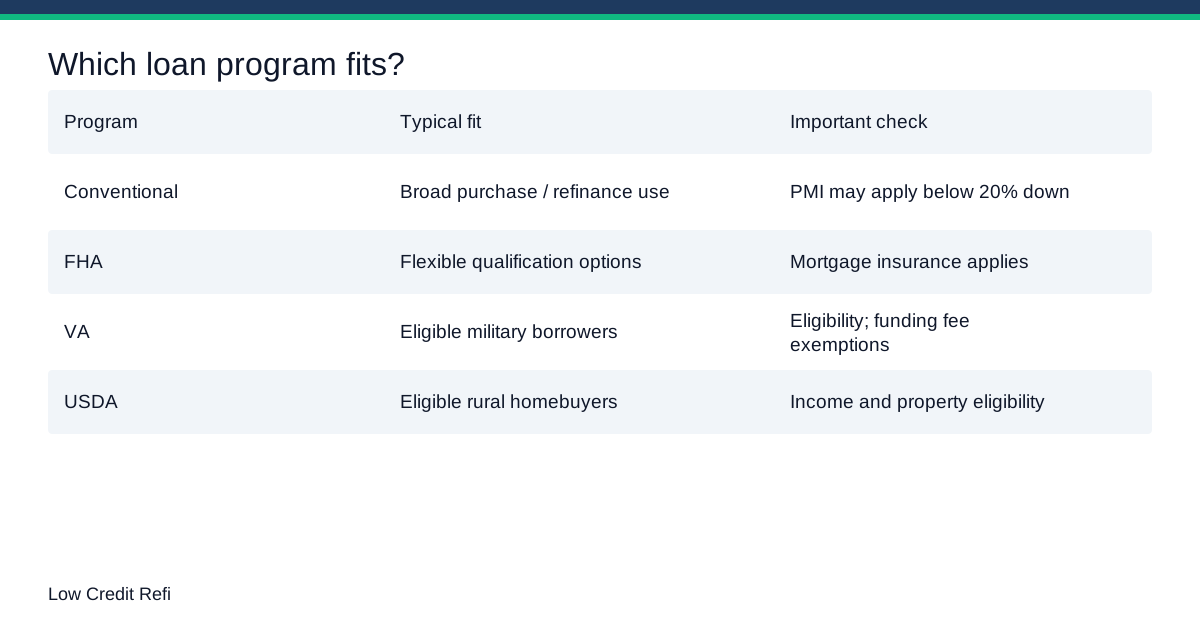
Several refinancing programs are tailored to individuals with lower credit scores. Below are some options that can help you succeed with low credit refi:
Dispute credit report errors with evidence
Review reports from all three credit bureaus and dispute inaccurate information with supporting documents. Accurate negative information cannot legally be removed simply because it is unfavorable; no score increase is guaranteed.
People looking into succeed credit will find this information valuable.
1. FHA Streamline Refinance
- Pros:
- Cons:
Ideal for: Homeowners looking for a simple way to lower their interest rate without extensive documentation and learn how to succeed with low credit refi.
2. VA Interest Rate Reduction Refinance Loan (IRRRL)
- Pros:
- Cons:
Ideal for: Veterans seeking to lower their interest rate without credit score barriers, thus enhancing their ability to succeed with low credit refi.
3. USDA Streamline Refinance
- Pros:
- Cons:
Ideal for: Rural homeowners seeking affordable refinancing options while learning how to succeed with low credit refi.
4. Non-QM Loans
Non-Qualified Mortgage (Non-QM) loans are designed for borrowers with unique financial circumstances.- Pros:
- Cons:
Ideal for: Borrowers with complex financial situations who don’t meet traditional lending criteria and want to understand how to succeed with low credit refi.
Overcoming Common Low Credit Refinancing Obstacles
Refinancing with low credit isn’t without its challenges. Below are common obstacles and actionable solutions:
1. Addressing Low Credit Scores
- Challenge: Poor credit can limit your refinancing options.
- Solution:
2. Debt-to-Income Ratio Issues
- Challenge: A high DTI ratio can make lenders hesitant to approve your refinance application.
- Solution:
3. Limited Home Equity
- Challenge: Low equity may restrict refinancing options.
- Solution:
4. Higher Interest Rates
- Challenge: Borrowers with low credit often face higher interest rates.
- Solution:
Steps to Succeed with Low Credit Refi
Follow this step-by-step guide to navigate the refinancing process effectively:
Step 1: Check Your Credit Report
- Obtain a free credit report from AnnualCreditReport.com.
- Look for inaccuracies and dispute errors to boost your score.
Step 2: Calculate Your Debt-to-Income Ratio
- Add up your monthly debt obligations and divide by your gross income.
- Aim for a DTI ratio below 43%, or take steps to lower it.
Step 3: Research Eligible Programs
- Explore refinancing options such as FHA Streamline, VA IRRRL, USDA Streamline, or Non-QM loans to understand how to succeed with low credit refi.
Step 4: Gather Financial Documents
- Collect pay stubs, tax returns, bank statements, and other required paperwork.
- Ensure information is accurate and up-to-date.
Step 5: Find the Right Lender
- Look for lenders specializing in low-credit refinancing.
- Compare offers to find one that aligns with your financial goals.
Step 6: Get Pre-Approved
- Pre-approval will give you clarity on your potential loan terms and eligibility.
- Use it to compare lenders and negotiate better deals.
Step 7: Compare Offers
- Focus on factors like interest rates, APR, closing costs, and monthly payments.
- Select the offer that best fits your needs and enhances your ability to succeed with low credit refi.
Step 8: Lock Your Rate
- Once satisfied with your loan terms, lock your rate to protect against market fluctuations.
Additional Tips for Success
- Build Savings: Having extra cash reserves can improve your refinancing prospects and cover closing costs.
- Limit Hard Credit Inquiries: Avoid applying for new credit during the refinancing process to preserve your score.
- Seek Expert Advice: Consult a financial advisor or mortgage specialist to customize strategies for your situation, particularly focusing on how to succeed with low credit refi.
- Be Patient: If your credit score is very low, consider waiting and improving your financial standing before refinancing.
- Shop Around: Compare at least three lenders to ensure you’re getting the most affordable deal for your situation.
Ready to Begin?
Navigating the world of low credit refinancing may seem overwhelming at first, but with preparation, research, and the right strategies, it’s entirely possible to succeed. Reach out to a lender or financial advisor today to explore your options and start working toward improved loan terms and financial stability. Whether you’re looking to lower monthly payments or consolidate debt, taking proactive steps now can help you achieve your long-term financial goals. Remember, knowing how to succeed with low credit refi is the first step towards a brighter financial future.
Disclaimer
This article is for informational purposes only and should not be considered financial advice. Contact a licensed financial expert or mortgage advisor for personalized guidance.
Key Takeaways
- Understanding your options for how to succeed with low credit refi is the first step
- Explore related options like how to succeed
- Explore related options like low credit refi
- Getting pre-qualified helps you understand your real options